Recycling and Sustainability — Gardening East Ham
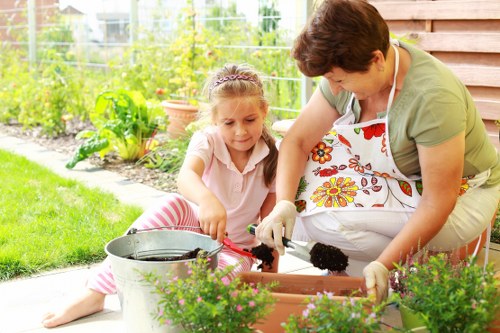 Gardening East Ham champions an eco-friendly waste disposal area and a sustainable rubbish gardening area approach across the neighbourhood. We combine practical garden waste management with community-led reuse to reduce landfill and promote circular living. This page outlines targets, local transfer stations, partnerships with charities, and our commitment to low-carbon vans that keep our operations as green as possible. Our aim is to create a resilient, low-waste gardening culture in East Ham and neighbouring boroughs, aligned with the wider borough approach to waste separation.
We follow the borough's separation guidelines where organic garden waste, mixed recycling and residual rubbish are collected separately where possible. That means bins and kerbside collections prioritise compostable material, garden cuttings and woodchip for local composting, while plastics, glass and metals are routed to appropriate sorting facilities. By treating the garden as part of the recycling system we reduce transport emissions and deliver nutrients back to soils through controlled composting.
 Targets and metrics: Gardening East Ham sets a clear recycling percentage target of 65% by 2030 for garden and associated household waste streams in the areas we serve. This target covers organic recycling, reusable plant pots and container reuse, timber salvaging and metal/green waste segregation. We report progress annually and work with the borough's waste strategy to align targets for household and green waste -- a holistic approach to creating a practical eco-friendly disposal zone.
Local transfer stations and processing hubs
We coordinate closely with local transfer stations and regional processing hubs to ensure materials collected from gardens enter the right stream quickly. Typical local transfer stations include borough transfer hubs near the riverfront and municipal consolidation sites such as the nearby Beckton and Barking-area facilities, which act as stepping stones to regional Materials Recovery Facilities (MRFs) and composting sites. Routing through local stations reduces haul distances and contributes to lower carbon footprints for each tonne of material handled.
To support the sustainable rubbish gardening area model we operate scheduled pickups that feed directly to:
- Local composting centres and community-scale anaerobic digestion units;
- Municipal transfer stations and MRFs for sorted recyclables;
- Timber and rubble recycling depots for reclaimed wood and inert materials.
Partnerships with charities and community reuse
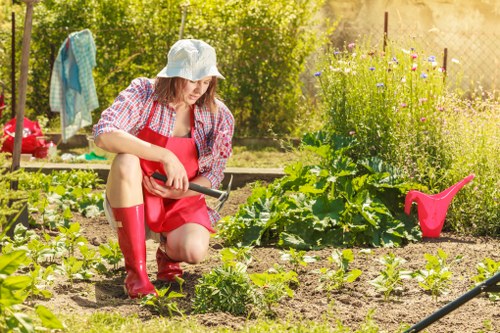 Our work extends beyond collection: we partner with local charities and reuse organisations to give garden items a second life. Planters, bricks, paving slabs, tools and seed trays that are in good condition are channelled to community projects and charity shops rather than being shredded or landfilled. These partnerships support community gardens, school allotments and social enterprises that need affordable materials while keeping resources in local use.
Examples of collaboration include:
- Donation programmes with community gardens and educational green spaces;
- Tool-sharing initiatives facilitated by local charities and volunteer groups;
- Material exchange events that pair surplus garden supplies with neighbourhood projects.
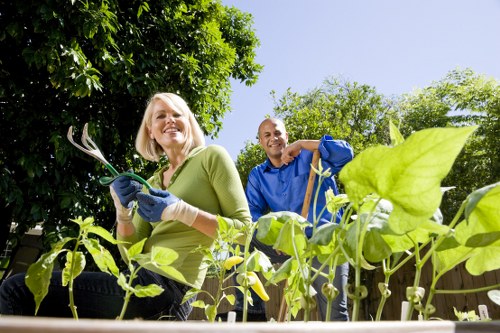 Designing a sustainable rubbish gardening area means planning infrastructure for sorting and temporary storage. On-site sorting bays separate compostables from reusable pots and recyclable packaging. Where space allows, a small, covered composting area or a sealed bin for green waste is used to pre-process material before collection. These measures reduce contamination and increase the value and usability of the recycled output.
We place emphasis on contamination reduction through clear labelling, bilingual signage when needed, and community education campaigns that explain the boroughs approach to waste separation. By reducing contamination rates at source we increase the percentage of garden waste that becomes compost or feedstock for energy-from-waste with low residuals.
 Low-carbon transport underpins our operational sustainability. Gardening East Ham operates a fleet of low-emission vehicles: electric vans for short urban routes, hybrid models for mixed duty, and fuel-efficient light vehicles for heavier loads to transfer to local stations. Where electric charging infrastructure is limited we prioritise plug-in hybrids and efficient route planning to minimise idling and empty miles. These choices reduce the carbon intensity of garden collections and align with borough-wide emissions targets.
Monitoring and continuous improvement are central. We track tonnages by stream, contamination rates, van kilometres, and reuse figures from charity partnerships. This data supports operational refinements—such as optimizing pickup frequencies, expanding reuse routes, or investing in additional composting capacity—to keep progress steady toward our 65% recycling goal and beyond. We also share anonymised metrics with the borough to help shape wider policy for greener, circular neighbourhoods.
How residents and community groups can help: support kerbside separation, donate usable garden items, take part in local reuse events, and advocate for local transfer stations and public charging points. Small changes in sorting behaviour directly increase the efficiency of the eco-friendly waste disposal area and strengthen the sustainable rubbish gardening area across East Ham.
In short, Gardening East Ham promotes a pragmatic, community-centred model for garden recycling: measurable targets, strong local transfer station links, charity partnerships to maximize reuse, and a low-carbon van fleet to tie it all together. Together we build greener gardens, reduce waste and keep our neighbourhoods thriving and sustainable.